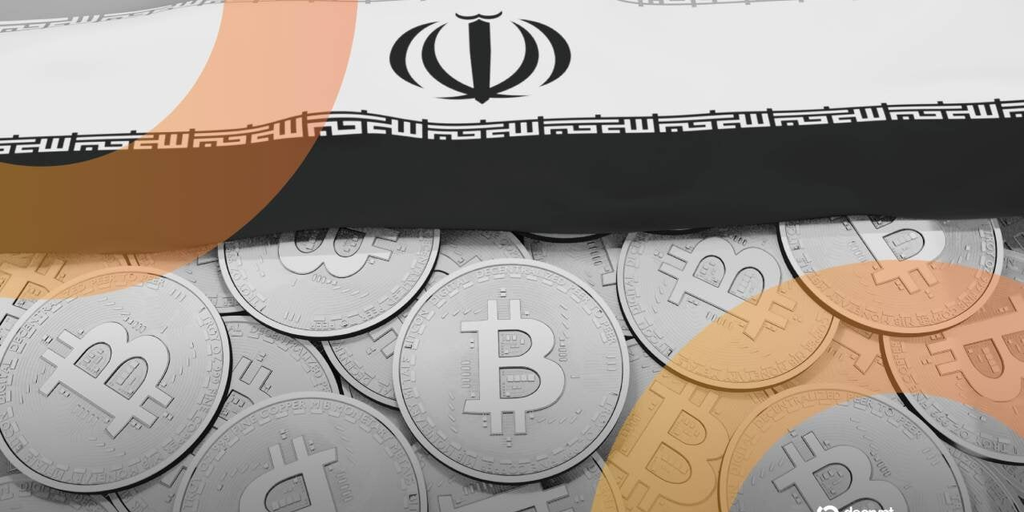
American National Charged for Spying for Iran via Cryptocurrency Payments
A significant legal case involving the use of cryptocurrency as a medium for international espionage, highlighting ongoing regulatory and security concerns regarding illicit cross-border digital asset flows.
“Geopolitical risks trigger sell-offs and regulatory risk.”
Geopolitical Shockwaves: How the Latest Israel-Iran Espionage Case Triggers Crypto Market Volatility and Regulatory Scrutiny
The recent arrest of an American national in Jerusalem on charges of spying for Iran highlights escalating Middle East tensions that historically trigger swift crypto sell-offs. As geopolitical friction intensifies, investors must navigate sudden liquidity risks and prepare for heightened regulatory scrutiny on cross-border capital flows.
Analysis: The Reality Behind the Headlines
Israeli prosecutors have officially charged a 21-year-old American citizen with espionage, alleging he spied on behalf of Iranian intelligence while studying at a religious seminary in Jerusalem. While mainstream media focuses on the geopolitical and diplomatic fallout of an American national being compromised by Tehran, sophisticated market participants are looking at the broader economic ripple effects.
This espionage case does not directly involve digital assets; however, it marks a critical escalation in the ongoing shadow war between Israel and Iran. Historically, whenever geopolitical tensions in the Middle East reach a boiling point, the cryptocurrency market acts as a highly sensitive seismograph.
We have seen this pattern play out repeatedly. During the geopolitical escalations in April 2024, the crypto market experienced a sudden $80M+ liquidation event within hours, causing Bitcoin to drop -6% before stabilizing. These sudden downturns are rarely driven by fundamental flaws in blockchain networks; instead, they are fueled by automated trading algorithms de-risking in response to headline-driven global instability, triggering localized liquidity risk across major exchanges.
Strategic Implications
What This Means for Your Portfolio
If you are managing a digital asset portfolio, geopolitical flashpoints like this serve as a double-edged sword. In the immediate short term, expect heightened market volatility. Algorithmic trading desks and institutional players often treat crypto as a high-beta risk asset during the initial hours of a geopolitical shock, leading to cascading liquidations.
However, the mid-to-long-term outlook tells a different story:
- The "Geopolitical Hedge" Narrative: Once the initial panic subsides, Bitcoin historically behaves as a sovereign-resistant asset class. Capital flight from unstable regional fiat currencies often drives localized demand for digital assets.
- Institutional Inflow Resilience: Despite temporary price drops, long-term institutional inflow into spot ETFs remains sticky during geopolitical crises, as institutional allocators view digital gold as a hedge against long-term fiat debasement and war-induced inflation.
- Systemic Robustness: Because public blockchains rely on decentralized node operators worldwide, protocol security remains entirely unaffected by regional kinetic or political conflicts.
The Regulatory Counter-Current
The real risk for crypto investors stemming from this espionage case is regulatory blowback. When state actors under heavy sanctions—such as Iran—are caught engaging in high-profile espionage, global regulators like the SEC, FinCEN, and European bodies typically respond by tightening financial controls.
We anticipate a renewed push for stricter KYC/AML enforcement on self-custodial wallets and cross-border payment rails to prevent sanctioned nations from bypassing traditional banking blockades. This could result in temporary compliance friction for decentralized finance (DeFi) protocols and centralized exchanges alike.
Bottom Line
While the espionage arrest in Jerusalem is a political flashpoint rather than a crypto-native event, it serves as a stark reminder that escalating geopolitical friction remains a primary catalyst for sudden crypto market volatility and regulatory clampdowns.
Source Citation
This summary is based on the article originally published on Decrypt.
View Full Article on DecryptDisclaimer
The information provided on this site is for informational purposes only and does not constitute financial, investment, or trading advice. Cryptocurrency investments are highly volatile and carry a significant risk of loss. We are not responsible for any financial decisions made based on the content of this article. Please conduct your own research (DYOR) and consult with a professional financial advisor before making any investment decisions.